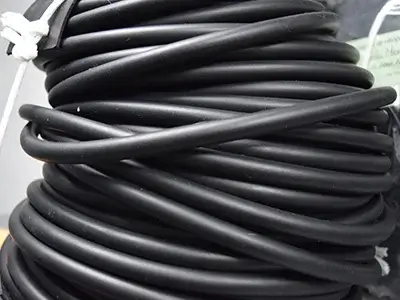
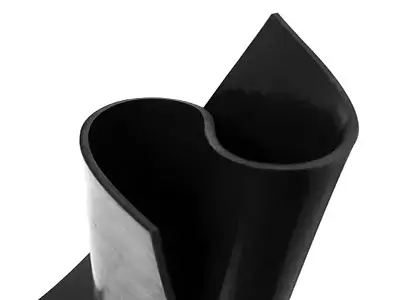
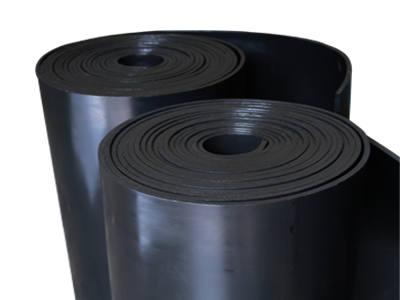
Snowplow rubber is a heavy-duty rubber strip designed for use as a replacement blade on snowplows, conveyor wipers and industrial wear applications. At Everest Rubber, we manufacture snowplow rubber in various thicknesses and widths, with excellent abrasion resistance and flexibility. ISO 9001 certified manufacturer with fast delivery across the USA.
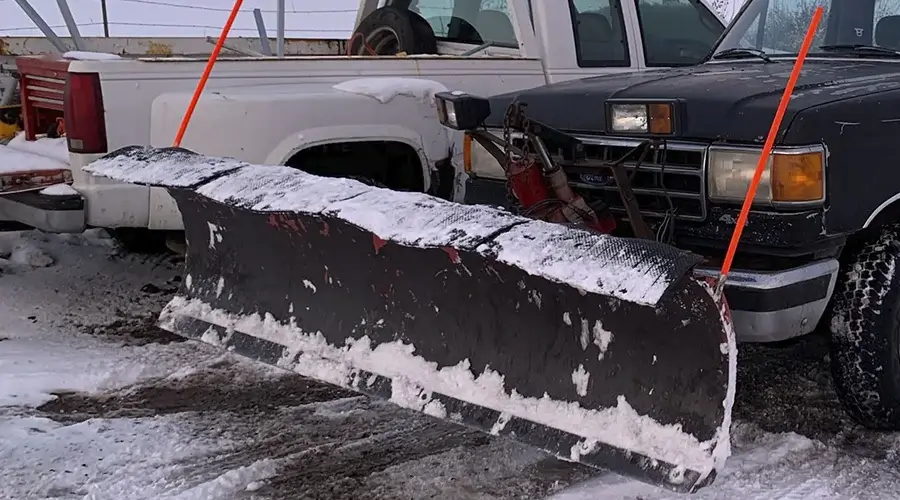
Snowplow Rubber for Replacement Blades & Wear Strips
A seasonal item, but a must when it snows. These press hardened inserts are made from premium SBR belt cover material for added wear resistance. These signs are affixed to the edges of street patrol operations to clear snow from highways, parking lots, runways and other public areas.
This product is designed for use as belt wiper or conveyor skirtboard. Skirtboard is ideal for mounting pad, flapping, sealing strips, or general construction and industrial use where abrasion resistance is imperative. It is available from ¼” to 1” gauges, and from 4” to 48” widths X 50ft.
Features
- Long Lasting: Rubber snowplow edges are made of a tough, resilient rubber compound that shows very little wear after many hours of use. They can outlast steel edges many times.
- Fast, Clean, Quiet Snow Removal: SBR rubber edges have a "squeegee action" to clean faster, better & much quieter than steel cutting edges.
- Lower Maintenance Costs: Since snowplow edges need fewer replacements than steel edges, fewer man-hours & less downtime means lower costs. Rubber edges also absorb damaging shock that would be transmitted to the plow, truck, and driver with a steel edge.
Physical and Chemical Properties: Snowplow Rubber
- Shore “A” hardness: 60-70
- Tensile strength, minimal: 1000 PSI
- Elongation, minimal: 400 %
- Temperature Range: -40°F to 180°F
- Oils: Medium
- Acids: Good
- Outdoors: Excellent
- Abrasion: Excellent
Product Dimensions
- Sheets: 3'3" x 32'9" long, with 1/4" to 1" thickness
- Widths: 2", 3", 4", 6", 8", 10", 12", 20", 24", 28", 40", 48"
Applications
- Snowplow replacement blades
- Belt wipers for conveyor systems
- Conveyor skirtboard
- Mounting pads
- Flapping and sealing strips
- General construction and industrial use
Want to speak to a professional?
We have an incredible and hard working crew. Each of our team members take pride in what they do and will work tirelessly with you to ensure your project is completed above and beyond your expectations...
Frequently Asked Questions about Snowplow Rubber
What is snowplow rubber?
Snowplow rubber is a heavy-duty rubber strip designed for use as a replacement blade on snowplows. It is abrasion-resistant, flexible and long-lasting, providing effective snow removal while protecting the road surface from damage. It is made from premium SBR belt cover material for added wear resistance.
What is snowplow rubber used for?
Snowplow rubber is used as a belt wiper or conveyor skirtboard, mounting pad, flapping, sealing strips, or general construction and industrial use. It is ideal for snowplow blades, conveyor systems and any application requiring a flexible, abrasion-resistant rubber strip.
What are the benefits of rubber snowplow blades?
Rubber snowplow blades offer several benefits: they are flexible and conform to uneven road surfaces, they reduce noise compared to metal blades, they protect the road surface from damage, they last longer than steel edges, and they reduce maintenance costs and downtime.
What is the temperature range of snowplow rubber?
Snowplow rubber is designed to remain flexible at low temperatures, making it ideal for winter conditions. Its exact temperature range depends on the specific compound, but it typically performs well from -40°F to 180°F.